Building date: 1848-49
Original use:
Corner structures: Gray limestone elongated horizontally
Mortar application and content: Vertical mortar contains fairly uniform pyramids, the bases of which are cut off where they meet the horizontal mortar.
Types and uses of stones: Irregular rough. Stones are irregular, but smoothed and vary in color. Note: Contradictory descriptions. On the front and south side, the stones are laid three rows per quoin, while on the north side, there are usually two rows per quoin.
Types and choice of windows: Lintels gray limestone
Structures with similar masonry details:
Masons who worked on building:
Unique features: Greek Revival architecture. A large house, well preserved and cared for. "Cobblestone Buildings in Onondaga County", 1992, Structure No. 4, compiled by Glenn Hinchey.
Map views courtesy Google Maps. Address is Google Earth confirmed; 43°00'35.33"N 76°05'20.14"W. Current owner of record, Cruz as of the 2018 Tax Roll.
Town of DeWitt and Onondaga County Maps
The Alexander Farm at 1225 Old Nottingham Road has a two story house with gray limestone quoins and window lintels. Stones are irregular, but smoothed and vary in color. On the front and south side, the stones are laid three rows per quoin, while on the north side, there are usually two rows per quoin. The vertical mortar contains fairly uniform pyramids, the bases of which are cut off where they meet the horizontal mortar. Roudabush Survey page 79
This Greek Revival house 1225 Old Stone Road off Nottingham Road in DeWitt, was built in 1848-49 by Adam Ainslie (also spelled "Ainsley") who had an extensive farm operation here. It was later known as the Thomas Alexander farm. The mortar came from two local lime kilns. Stone is said to have been gathered from what is now Kirk Park in Syracuse.
Ainsley's father, John, began buying land in that part of the town as well as in Manlius in 1806. Between then and 1832 he made five land purchases and the farm grew to 600 acres. This property is in the vicinity of what was known as Ram's Gulch, after a hydraulic ram used to pump water from a nearby brook to the house.
Adam Ainslie sold the farm in 1876 to Alfred A. Howlett and Hiram Kingsley. Later Kingsley bought Howlett out. His daughter, Mrs. Damon D. Ormsby, later became owner of the farm. Edwin and William Nottingham purchased it in 1911. Thomas Alexander purchased it in 1920 from Nottingham Farms, Inc.
In the late 1960s it was feared the house would be in the way of the proposed Route 481. But that did not occur. But during actual construction some minor damaged to the house occurred during blasting for the highway.
The cobblestone work is some of the finest to be found anywhere, using the tiniest of cobbles in neatly laid rows. The Greek Revival styling is also very fine, right down to the very elegant Ionic columns framing the entrance. Richard Palmer blog.
Editor's Note: The following Syracuse Post-Standard, 9/8/1930, newspaper article is the source for much of the information provided above in Richard Palmer's blog. A very poor copy of the newspaper article was in the Cobblestone Museum archives and is transcribed below to the best of my ability to read the text. Some of the dates were difficult to decipher and may be incorrect.
House of Cobblestones
Walls of Old Home on Jamesville Road Are Two Feet Thick
Eighty years or so ago some of those who had the time that it took do the job right built homes of cobblestones. They differed from the average run of houses then, and they are conspicuous today. They are recognized as homes of considerable age.
A fine example of this type of house is the cobblestone farm home of Thomas Alexander, between Drumlins and Jamesville, the farm bordering on Ram's Gulch, the Boy Scouts' camp.
It has been known as the Nottingham place, the Kingsley Home and the Ainslie homestead, so called because of the various owners. It was built by Adam Ainslie during 1848 and 1849. His father, John Ainslie, began buying land in that part of the town of Dewitt, then Manilus, in 1806. He made five purchases between that date and 1822. The son, Adam Ainslie, bought six parcels between 1832 and 1848, when he had 400 acres. It was then that he built the cobblestone house. He was born in 1805 and died 1888.
Luther Ainslie, son of Adam Ainslie, was born in 1880 and died in 1895. His son, Frank C. Ainslie of 1111 South Geddes street, was born in 1853. Adam Ainslie sold the farm in 1876 to Alfred A. Howlett and Hiram Kingsley, and later Kingsley bought Howlett out. Kingsley, who was born in 1818, died in 1886, and his daughter, Mrs. Damon D. Ormsby, later became owner of the farm. Edwin and William Nottingham got it in 1911, and in 1920 Alexander bought it from Nottingham Farms, Inc.
The house was built of rubble masonry, stone quarried on the farm and laid in the rough, with a veneer of cobblestones. Thirty loads of these stones were hauled from what is now Kirk park, and were sorted as to uniformity in size by being put thru a hole in a board, those too large or too small having been discarded. The outer walls of the house are two feet thick, and the inner walls are 18 inches thick. Two limekilns made the mortar. The lumber used was cut and sawed on the farm.
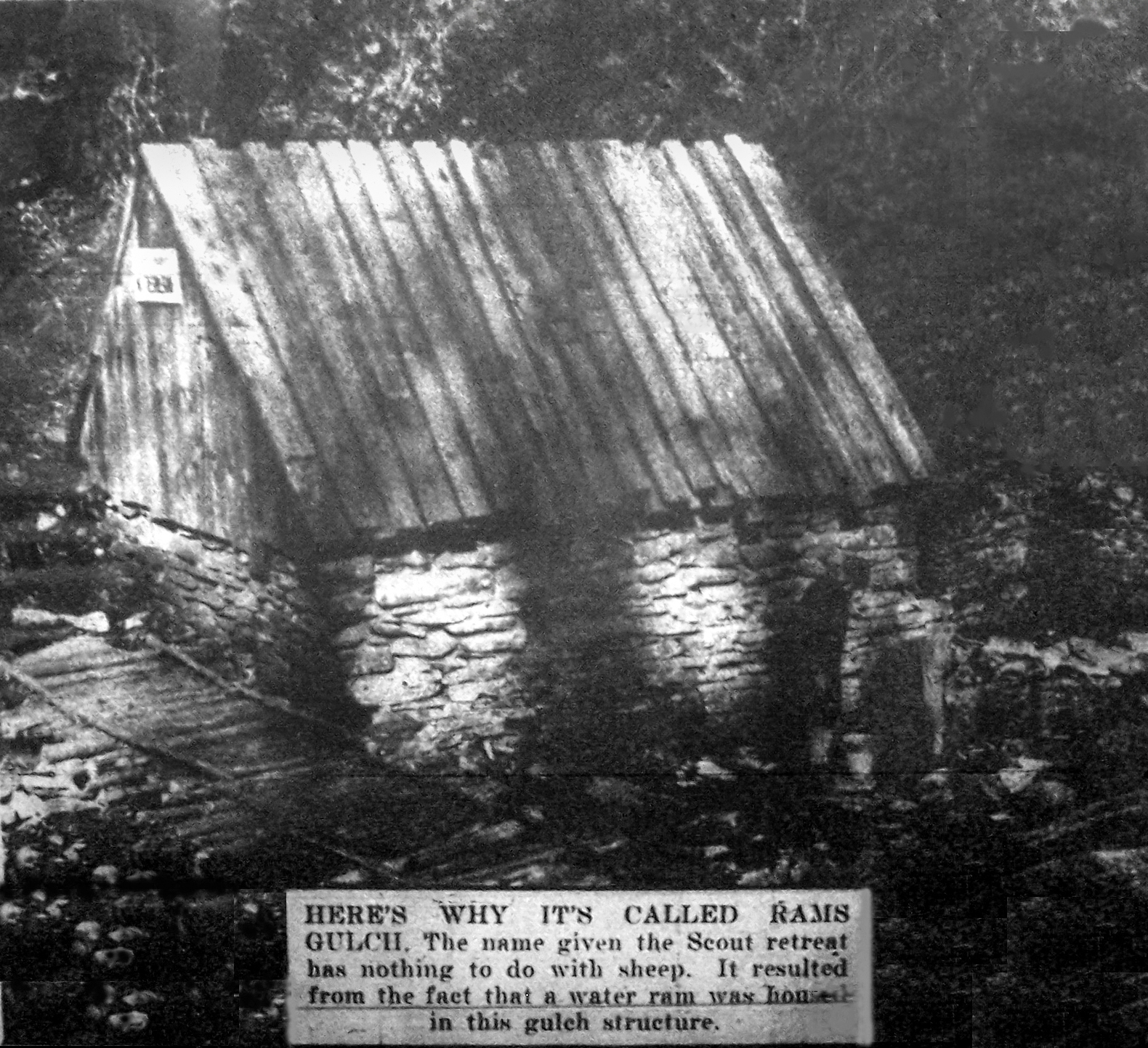
Ram's Gulch is named from the hydraulic ram in the brook which flows through the Boy Scout's campgrounds and which was installed to pump water to the Ainslie house and farm buildings. Beyond the camp is Buena Vista swamp. Syracuse Post-Standard, 9/8/1930.
Then and now images of the Alexander Farm House. Date and Attribution not provided.
- "The Era of Cobblestone Architecture", unpublished manuscript 1972. To access the manuscript content about this structure, see 60. Onondaga County, Ainslie-Alexander House. This structure is not included in the subsequent book "Cobblestone Landmarks of New York State", 1978.


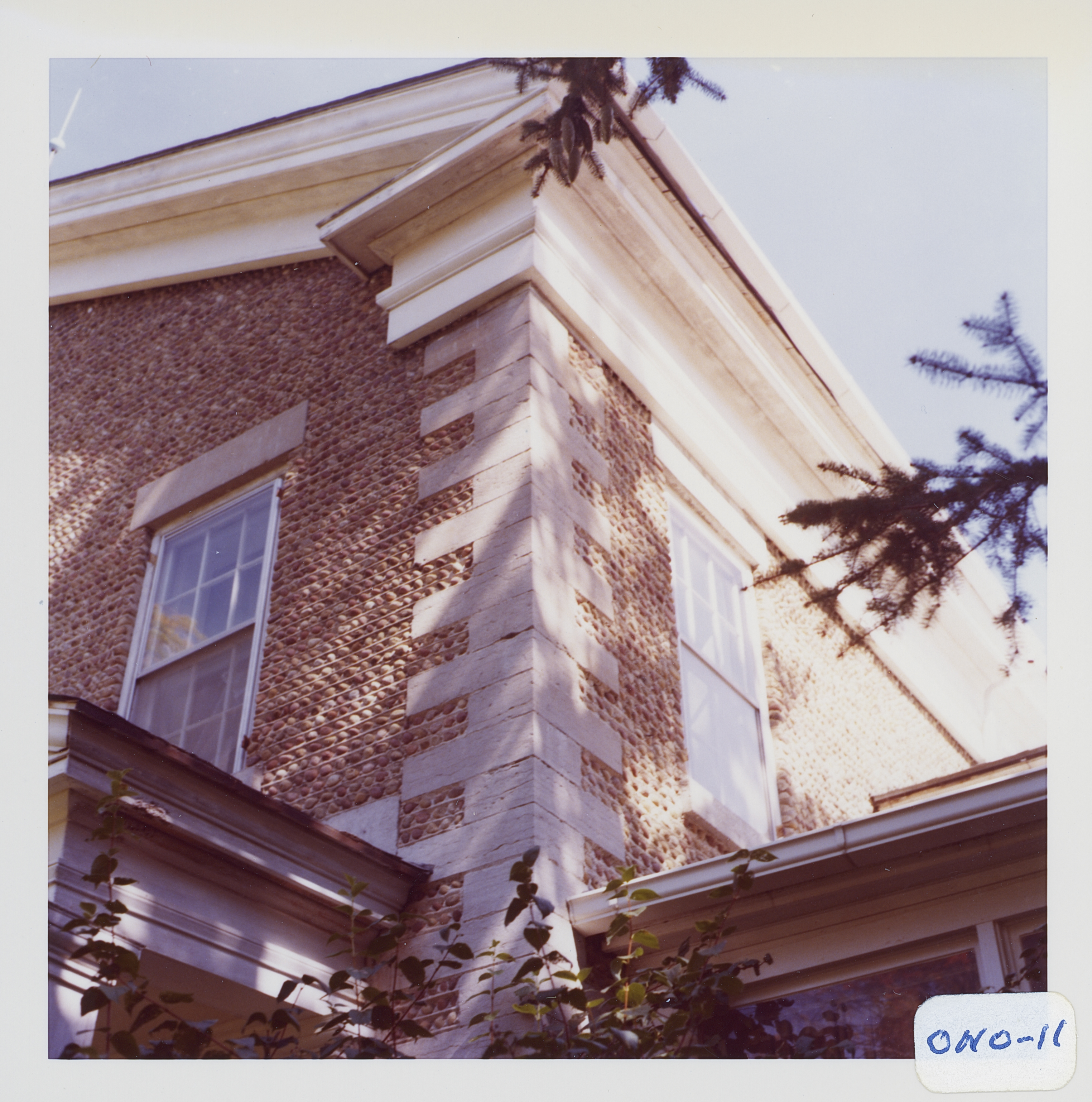
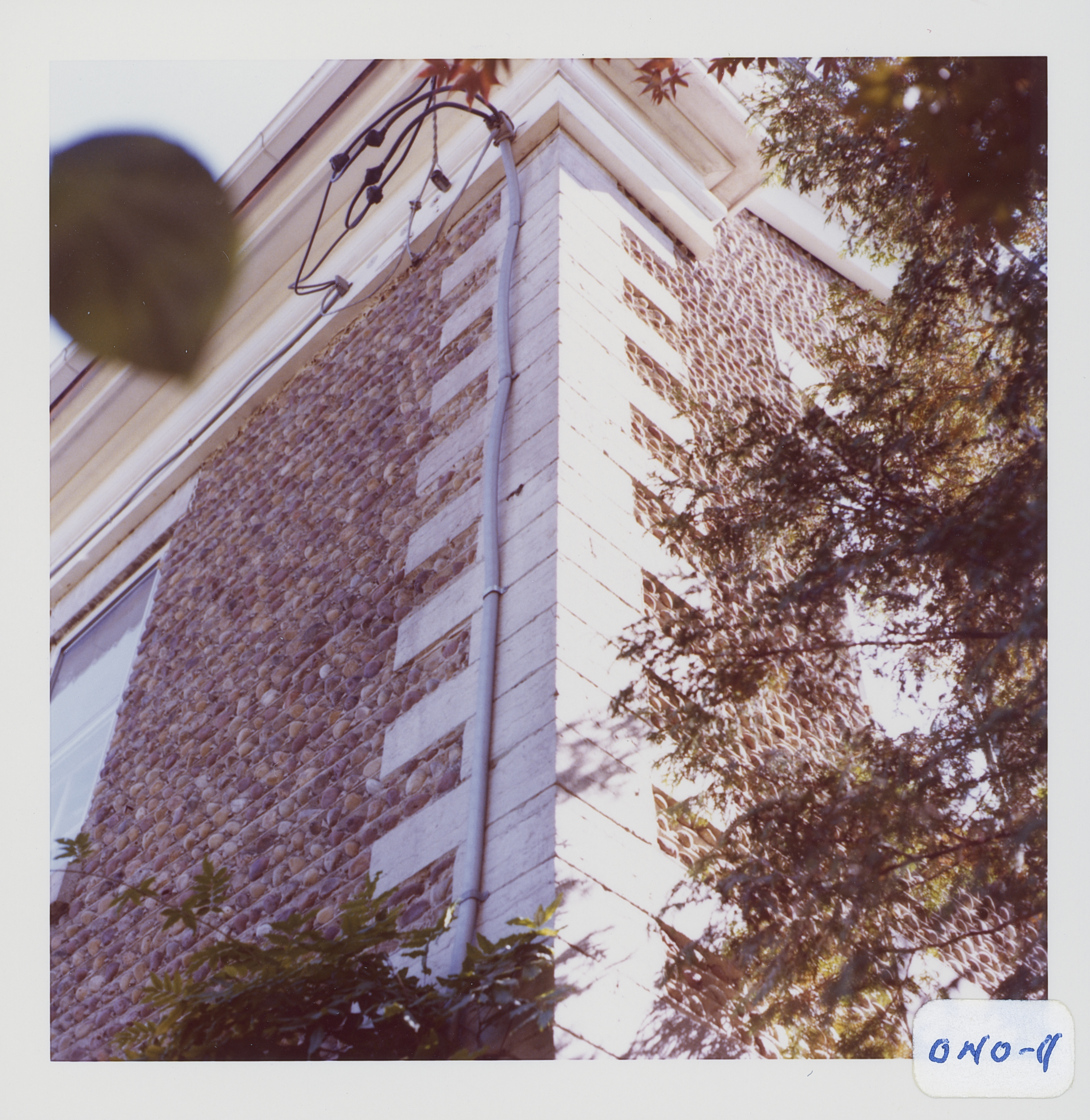
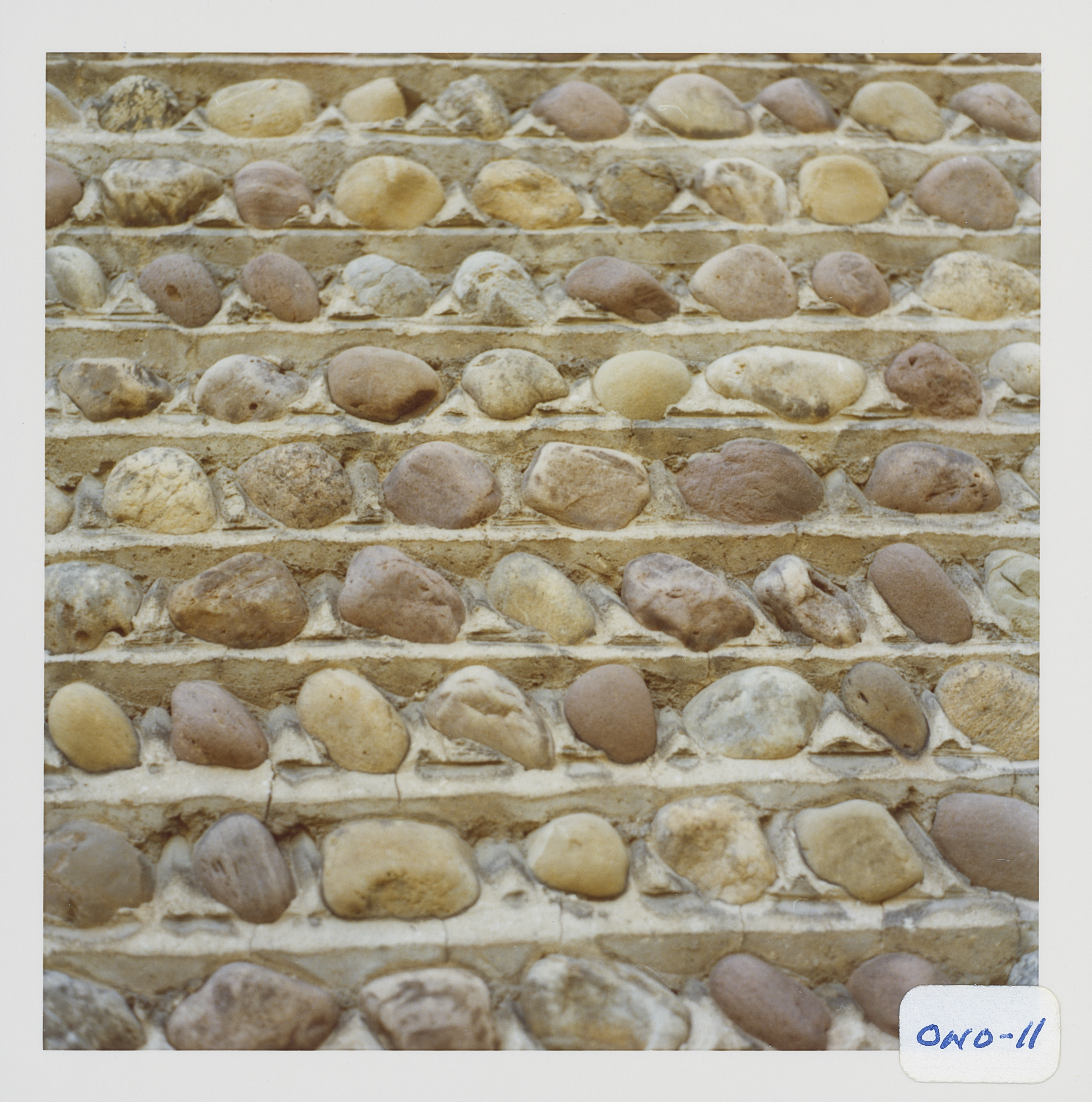
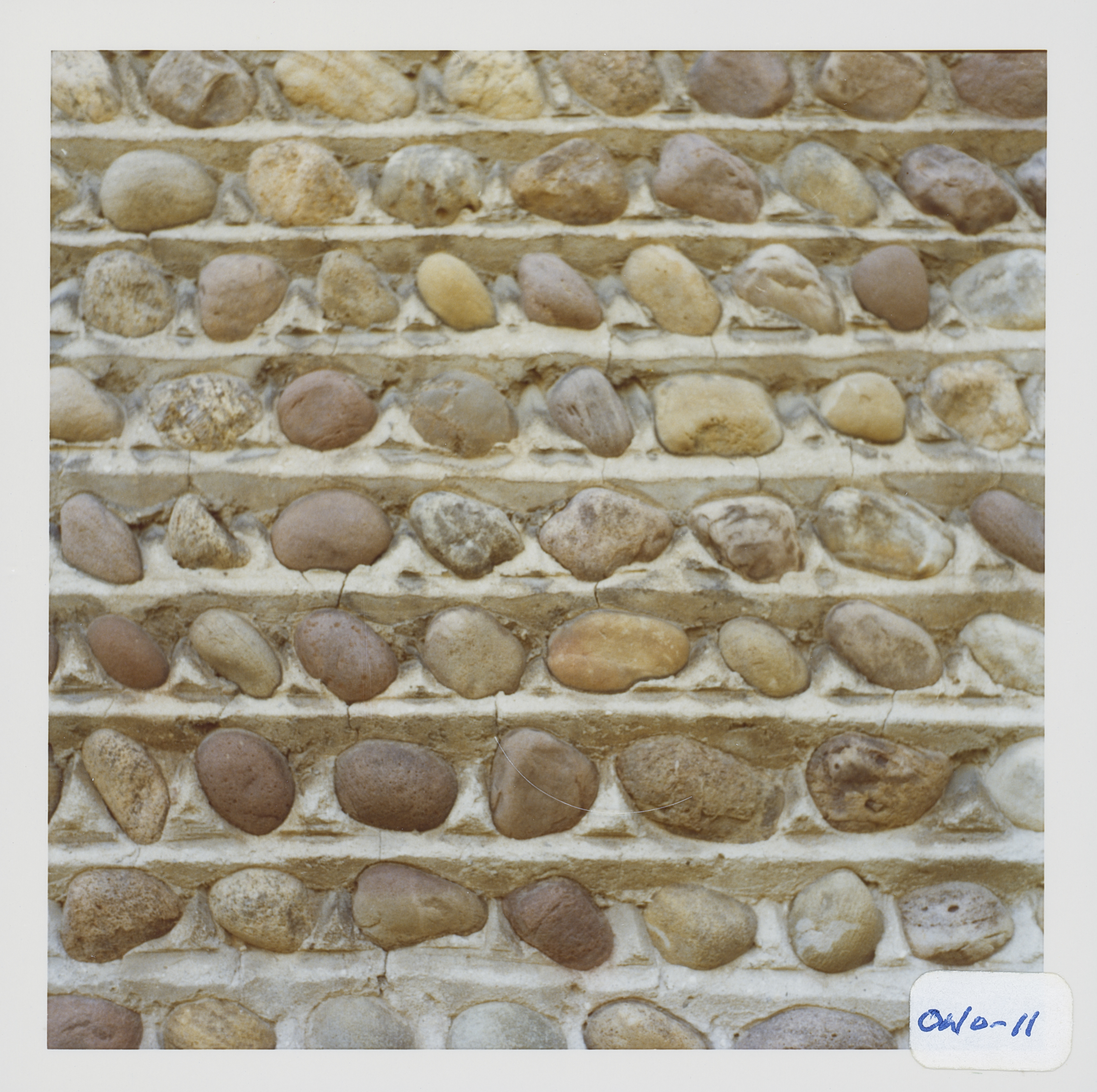


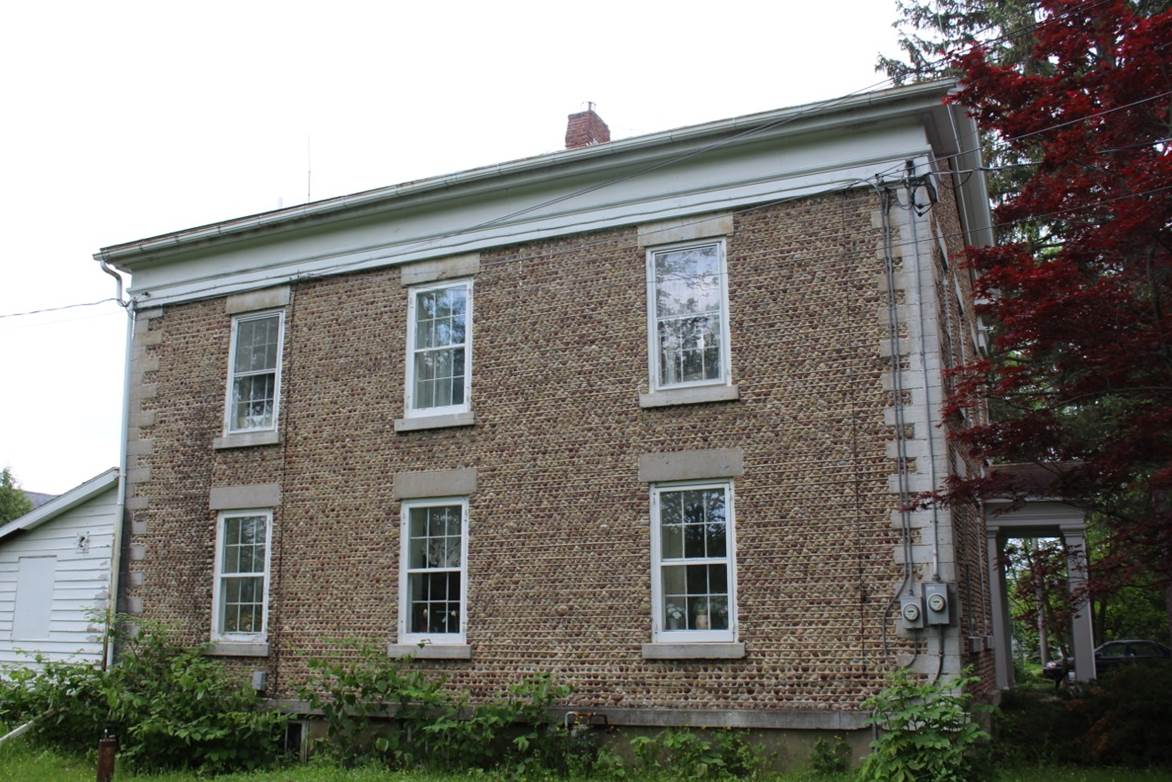
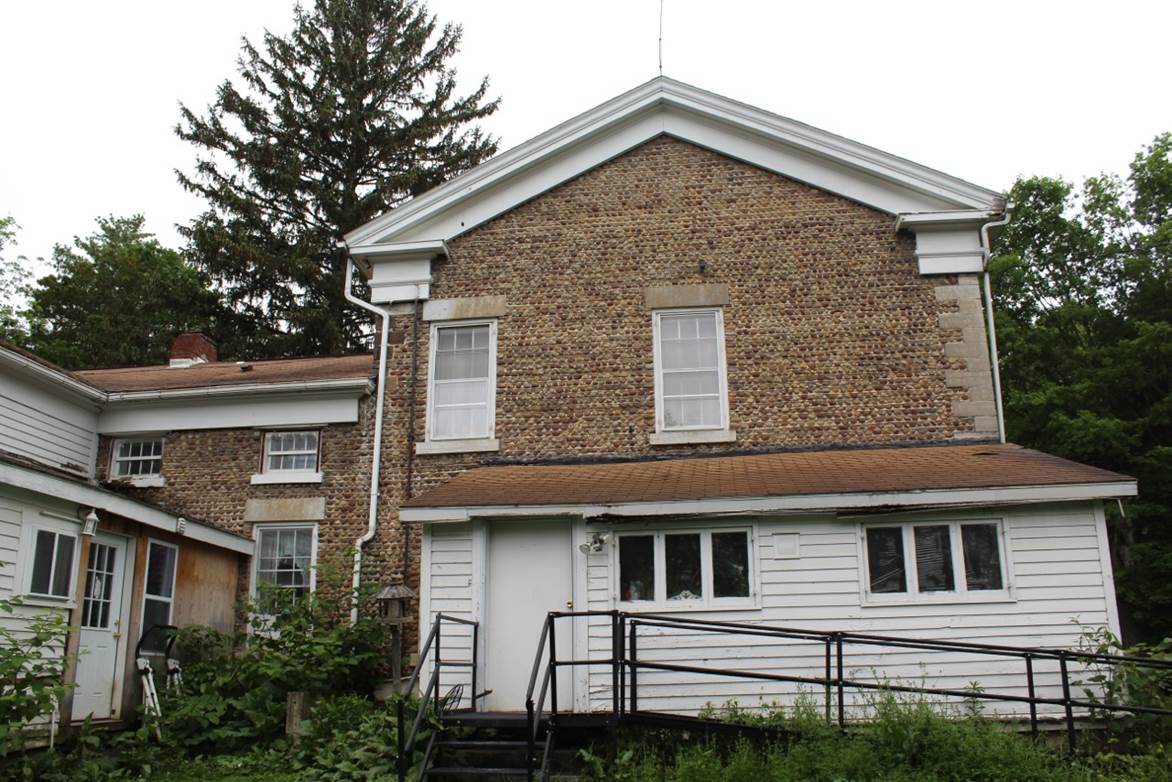

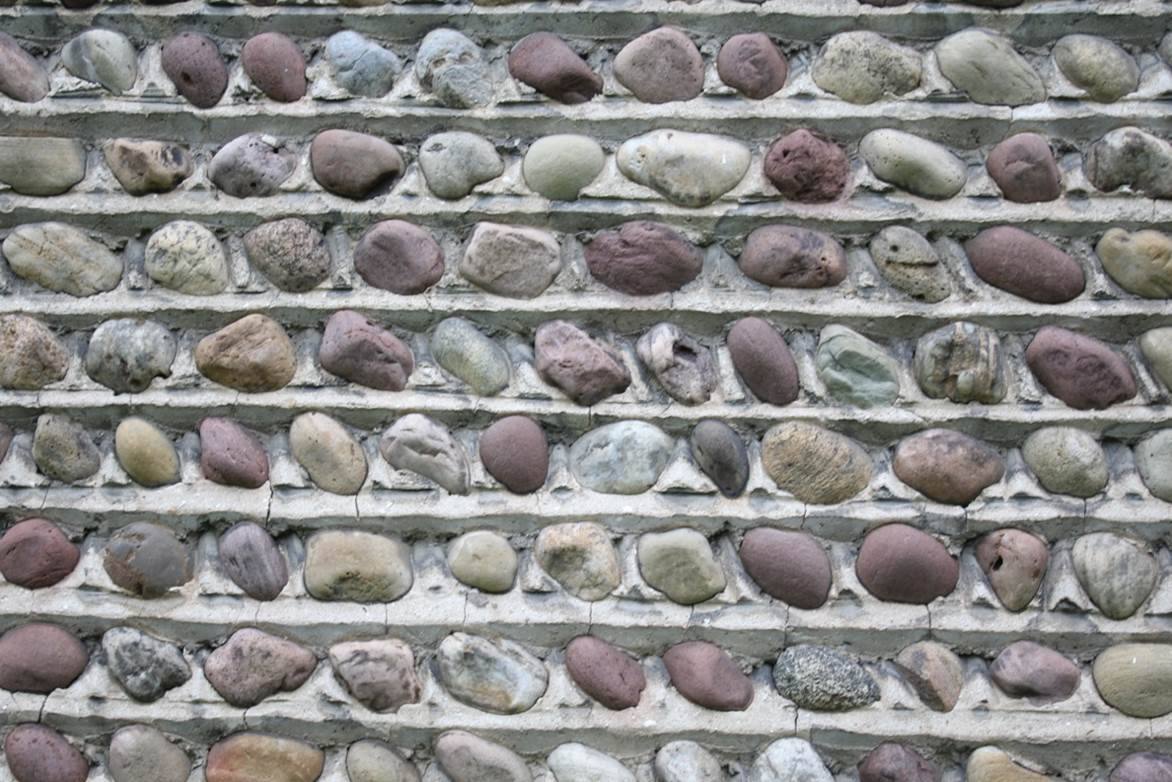

¹ Image courtesy Onondaga Historical Association
² Photography courtesy Gerda Peterich. Cobblestone Museum.
³ Photography courtesy Martin and Sheila Wolfish.
4 Photography courtesy Richard Palmer.
